
Narrow the lineup
We filter for soils, drainage, rotation, management, maturity, disease pressure, and what you need each field to do.
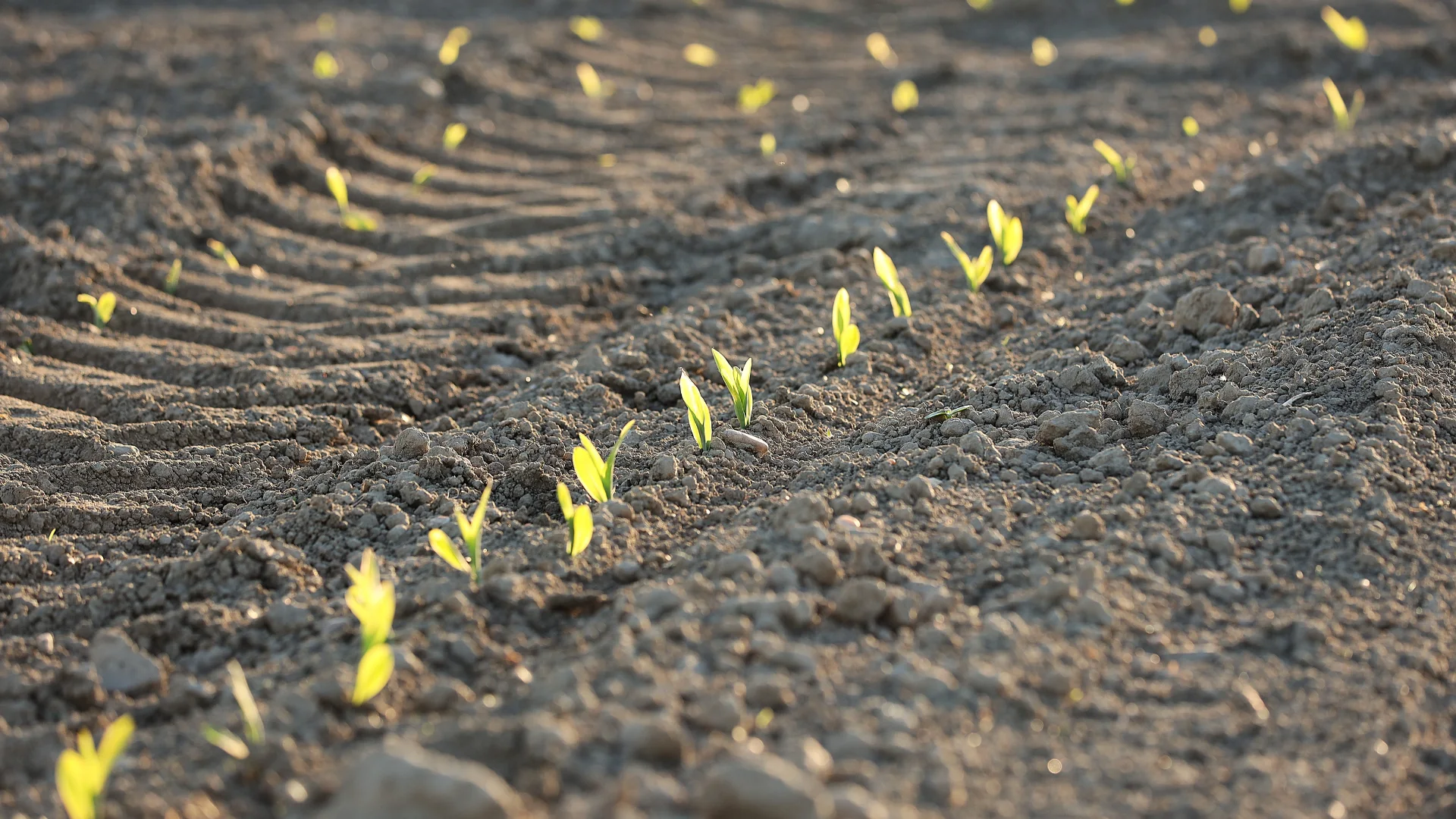
We recommend Channel® corn and soybean seed field by field. We ask about the ground, explain the fit and the limits, and stay involved from planning through harvest.
Let's talk about your fieldMore choices don’t make a better plan on their own. Judgment turns a lineup into a farm plan.
We filter for soils, drainage, rotation, management, maturity, disease pressure, and what you need each field to do.
Flat black tile, tight wet clay, sand under irrigation, and heavy no-till shouldn’t get the same answer.
We review the recommendations together: where you're repeating a product, how maturities fit your schedule, and how the plan spreads weather and disease risk across the whole operation.
Planting timeliness, treatment choices, field checks, fungicide conversations, and the call while the planter is moving are part of the job.
At harvest, we go back through what held, what missed, and why. One fall shapes the next plan.
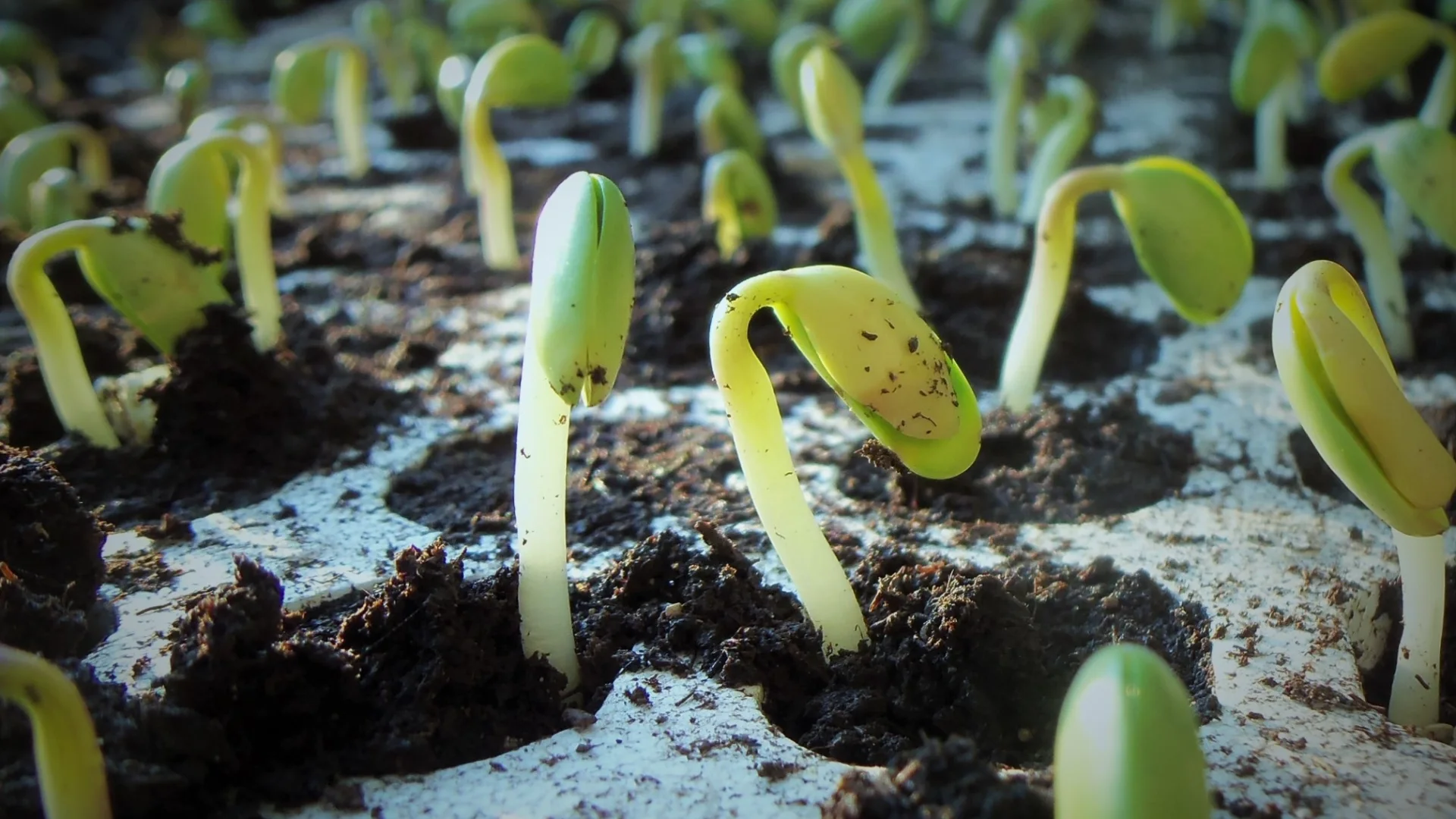
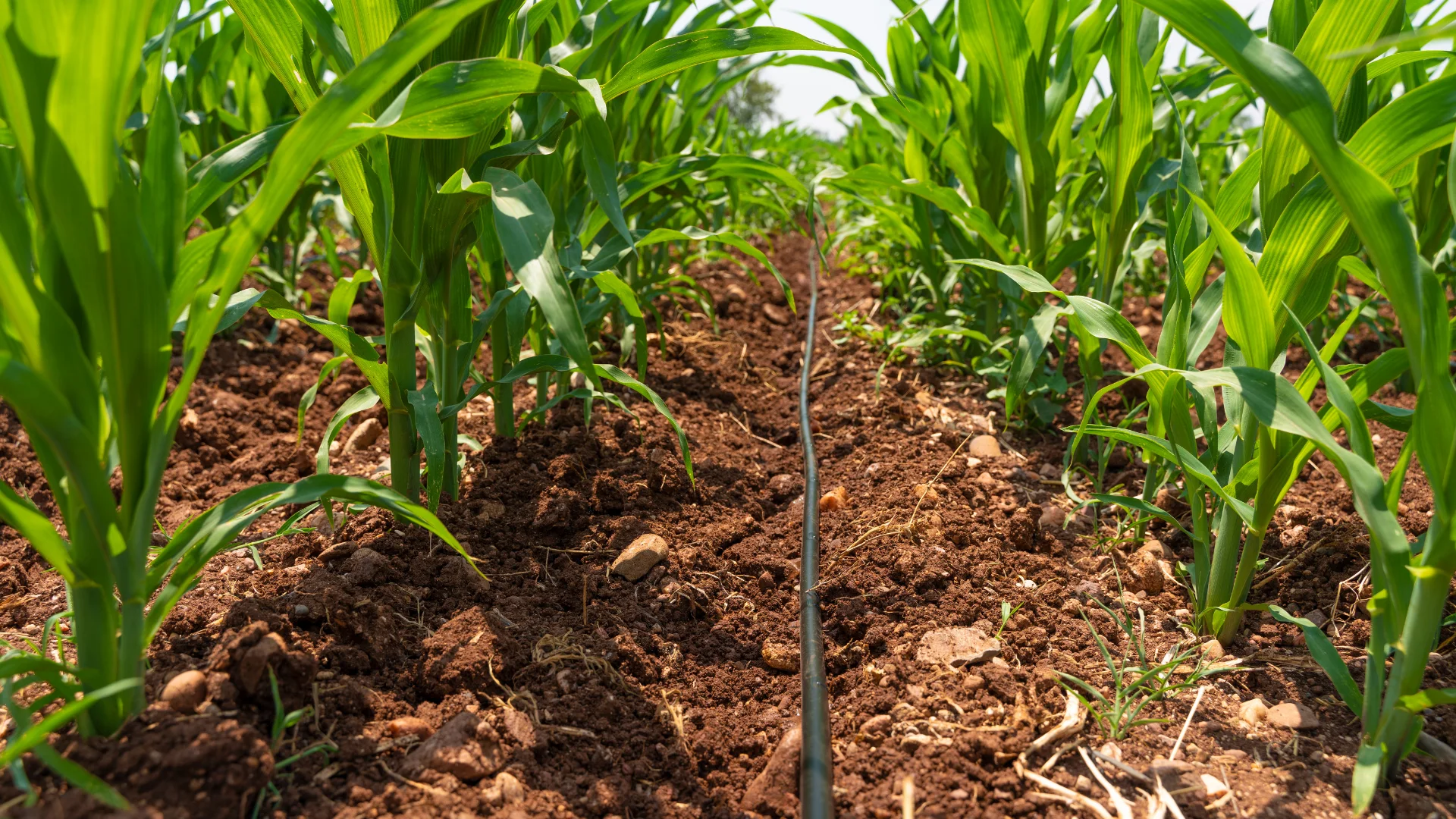
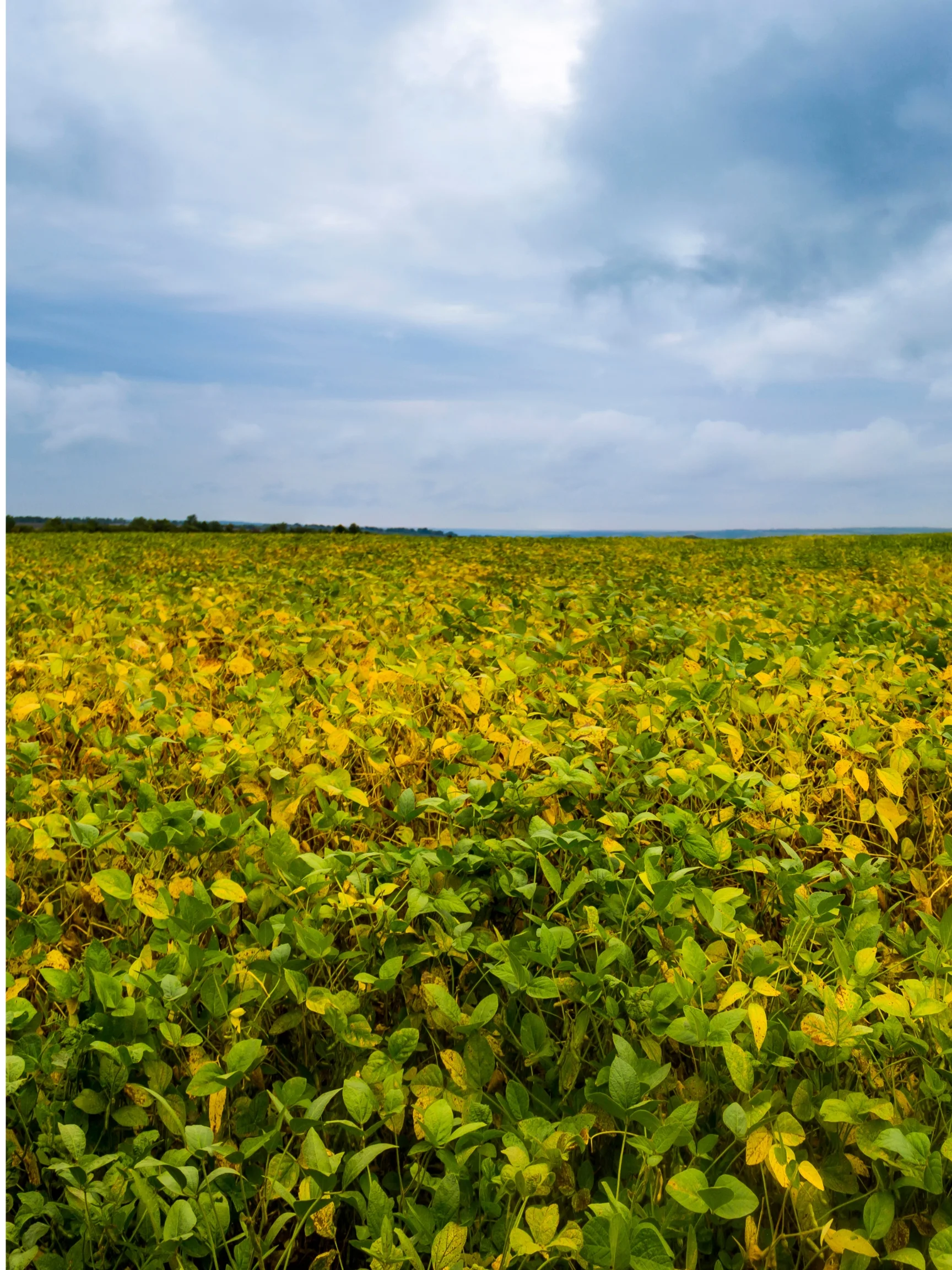
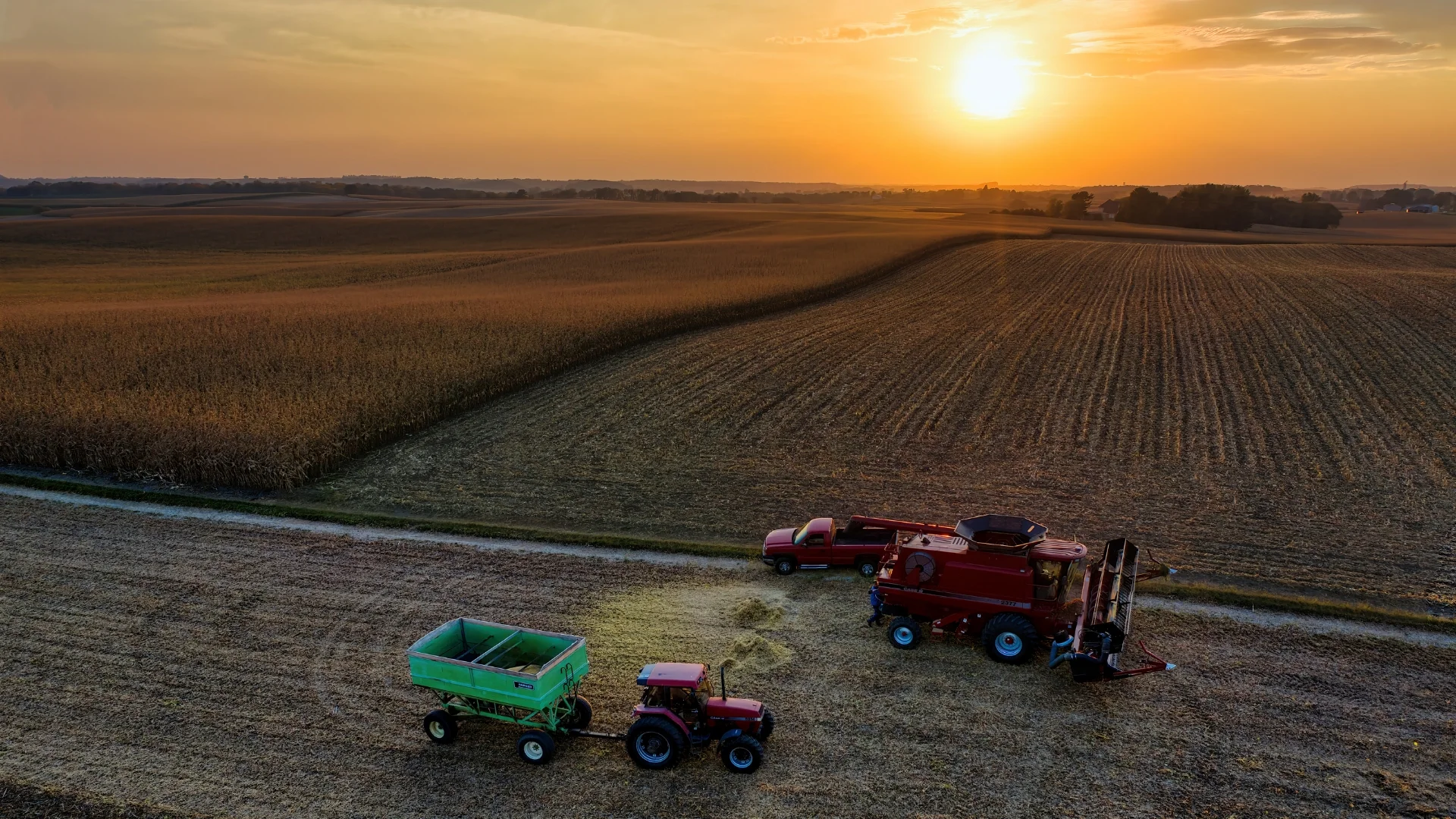
Around here, flat black tile, tight wet clay, rolling lighter soils, sand under irrigation, and heavy no-till can sit surprisingly close together.
Stress is where hybrids separate. On ground that varies inside a single field, placing the right hybrid and knowing how to grow it both matter.
Those differences belong in the seed conversation, along with drainage, rotation, tillage, and how you manage each field. We ask where the field changes, then work through what to plant and how to manage it through the season.
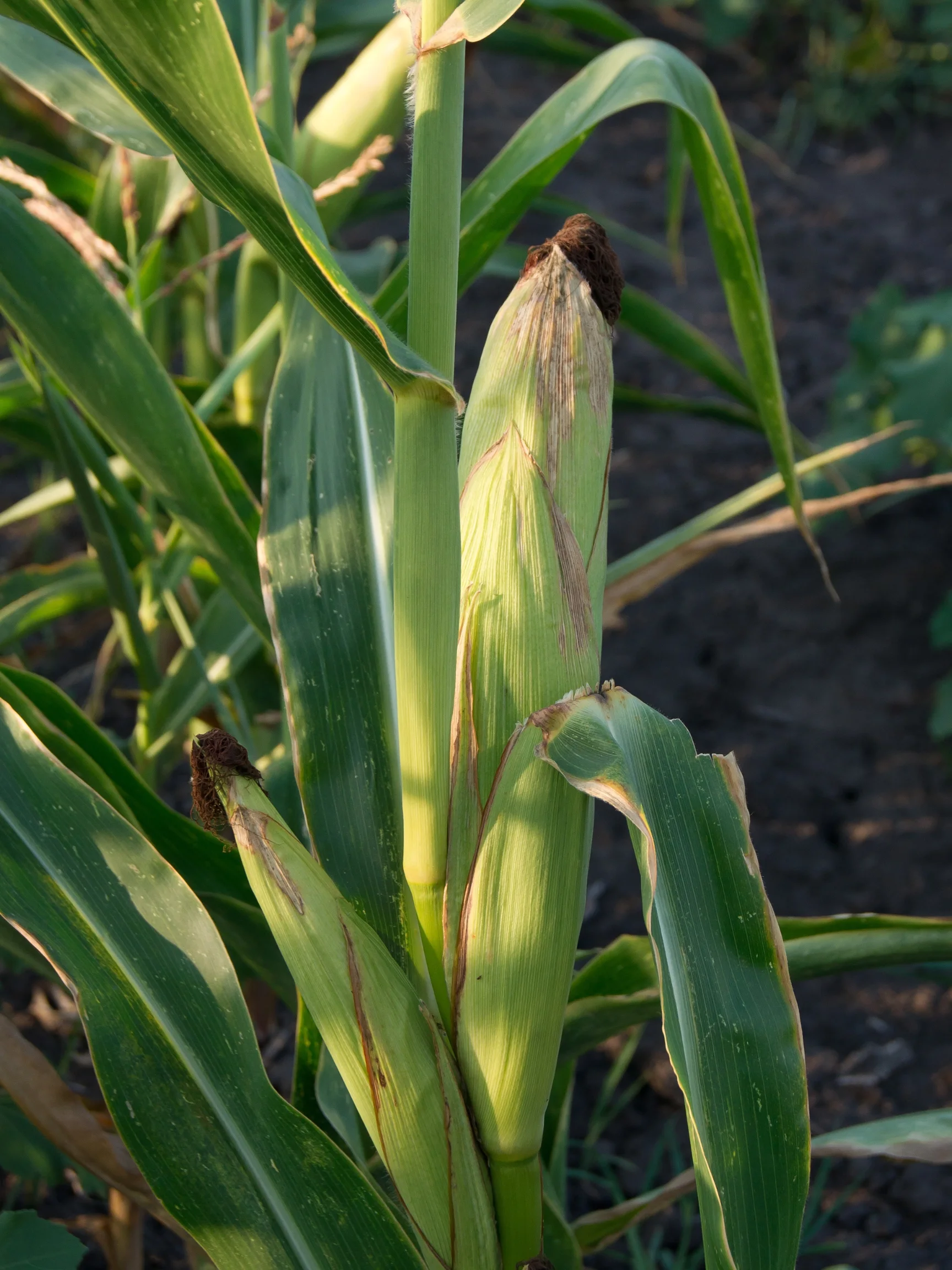
Put two hybrids in one field and one of them wins. Drop the loser and you might have just gotten rid of the second-best corn on your farm. Judge a hybrid across fields and across years.
It's the same reason orders go in before harvest. One fall's results count, and a good plan weighs them against several years of local results and what we know about the genetics. You won't find plot data on this site. We'd rather go through the numbers on your ground, where they mean something.
| When | What happens |
|---|---|
| August and September | Talk through the fields, review what you're seeing, and begin the order. |
| Through harvest | Confirm the plan. Harvest notes get weighed against several years of results. |
| By December 1 | Finish the seed order for the coming season. |
| March | Seed delivery. |
| April through June | We're around while the crop goes in. |
| Summer and harvest | Field questions, a review of the season, and what carries into next year's plan. |
A field conversation can happen any time of year. You don't have to wait for fall to call.
We coordinate delivery with you, from staging the order to confirming when and where your seed will arrive.
Seed for the next season starts arriving for staging and shipping soon after harvest. Getting orders organized early helps delivery run efficiently when spring comes.
We arrange delivery directly to farms or stage seed at four in-season locations, keeping it close to the acres where it belongs.
We coordinate the timing and drop-off location with you so you know who is coming and what to expect. Your ISG contact can work through delivery questions with you.
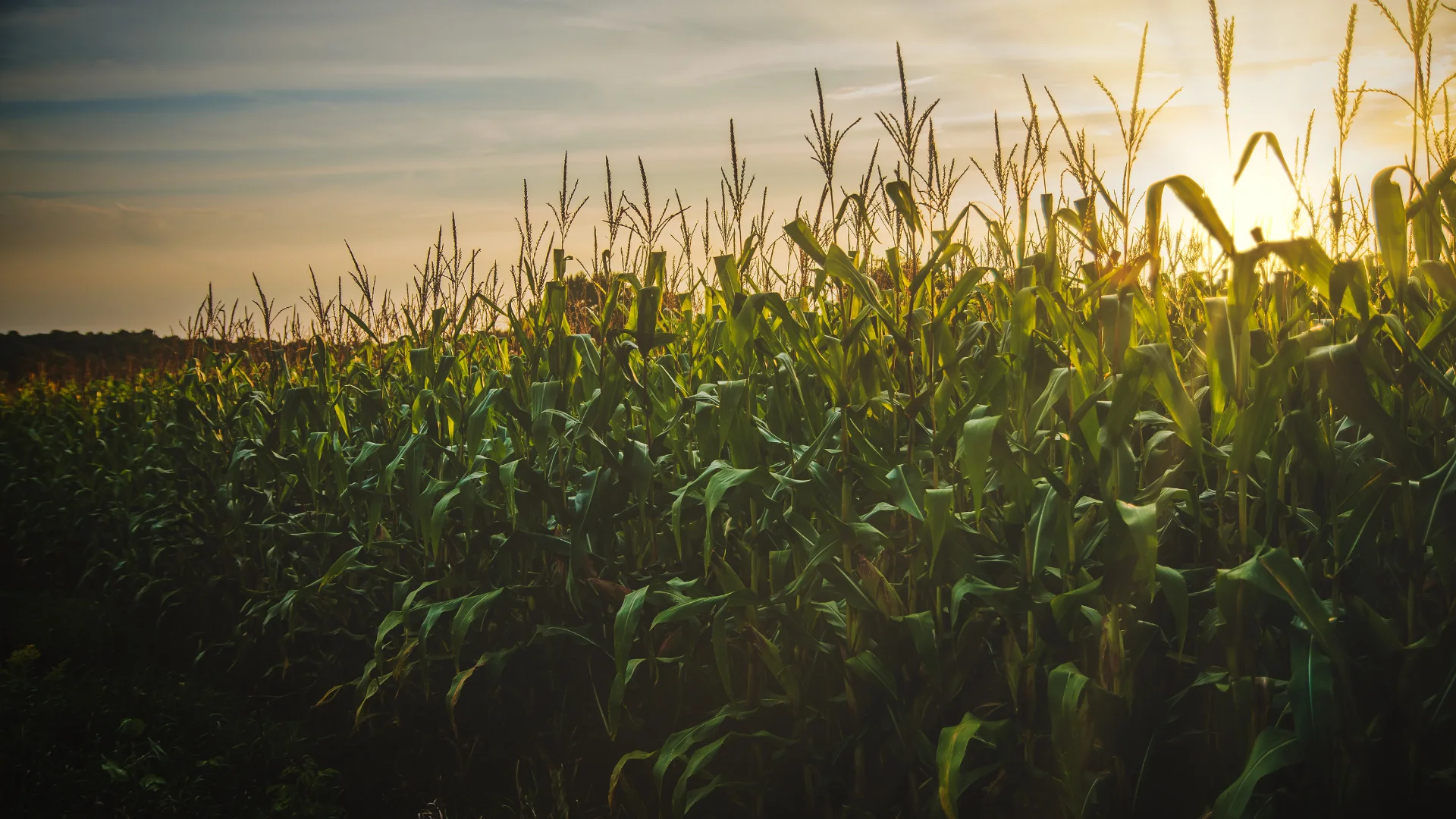
We’re planning to offer Preceon short corn through Channel for 2027 and Vyconic soybeans for 2028. Preceon’s shorter plants can improve standability, provide more sprayer clearance, and make spraying easier later in the season. Short stature does not eliminate storm damage. We’ll work through equipment fit and field conditions alongside the seed decision.
We’re preparing our Meristem product lineup for 2027. Product names, uses, and availability will be added here once the lineup is confirmed.
These are Meristem products, separate from Channel seed. Our team will help you consider how they fit with the rest of your crop plan.
Ask our team about Meristem
Before harvest. Orders start in August and September, get confirmed through harvest, and wrap by December 1. The hybrids in highest demand tend to go first, and a plan built on several years of local results doesn't need to wait for this fall's yield map.
We start with soil, drainage, field history, rotation, and management. Then we narrow the lineup with regional experience and place the products so risk is balanced across the operation.
A single split in one season can make the second-best hybrid on the farm look like a loser. We would rather judge products across several fields and several years.
No. Placement, planting guidance, seed-treatment counsel, field checks, and fungicide conversations come with the seed. They’re the work—not an upsell.
Begin the conversation
Tell us what happened there this season and what you're considering next. We'll talk through the field before recommending seed.
Talk with our team